
Designing Uniforms for Front of House and Back of House in Hospitality
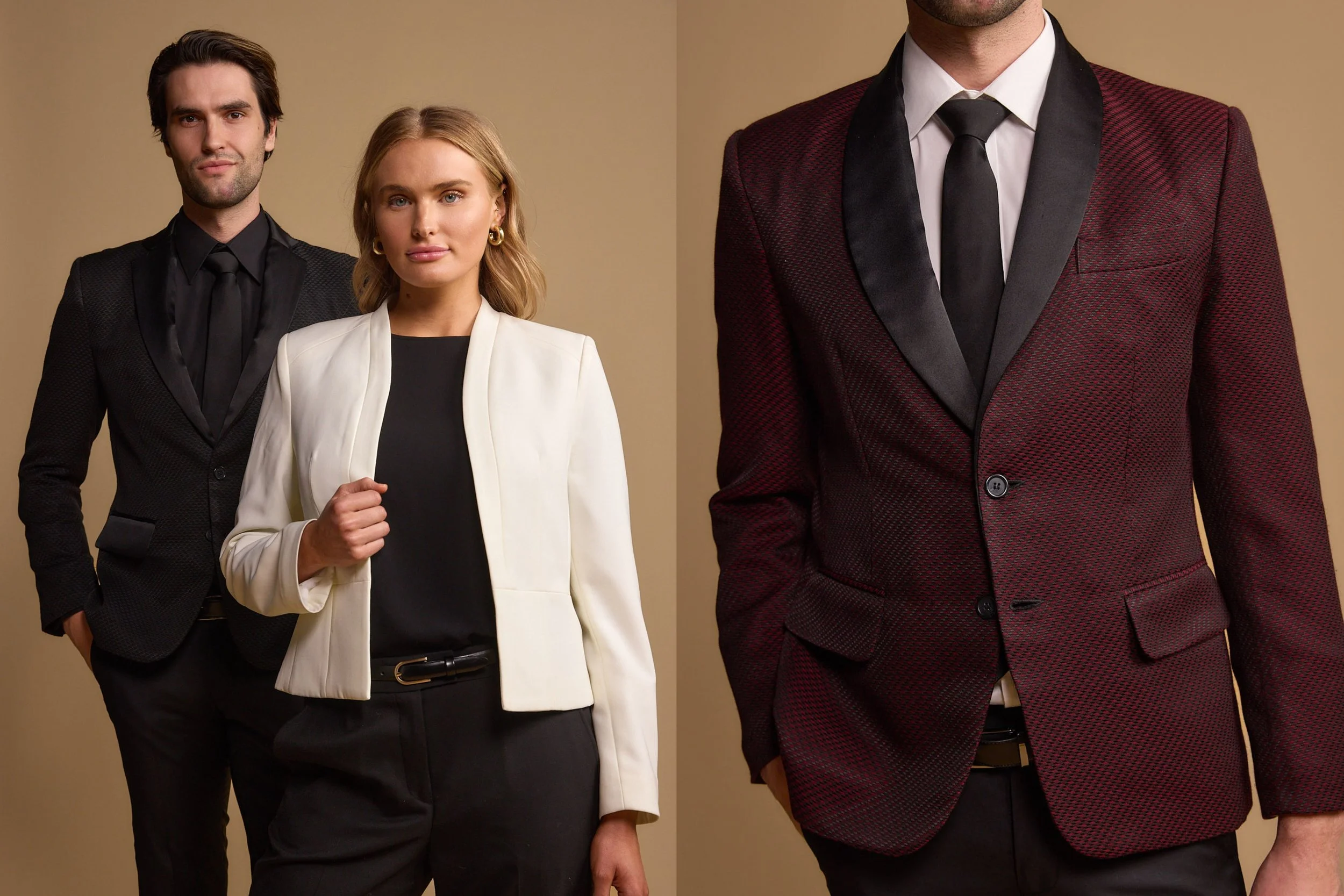
Hospitality venues rely on many moving parts working seamlessly together. From the host greeting guests at the door to chefs and kitchen teams working behind the scenes, each role contributes to the overall experience — even if guests never see every interaction.
Uniform design plays a crucial role in creating cohesion across these varied environments. The challenge lies in designing hospitality uniforms that meet the distinct functional needs of front-of-house and back-of-house teams, while still presenting a unified brand identity.
When done well, uniform design supports service flow, staff confidence, and brand clarity across every touchpoint.
(Internal link → Hospitality Uniform Design pillar)
Understanding the Difference Between FOH and BOH Needs
Front-of-house and back-of-house teams operate under very different conditions. A successful uniform program recognises these differences rather than forcing a one-size-fits-all solution.
FOH staff are the face of your brand. Their uniforms must:
Reflect the venue’s personality
Feel polished and intentional
Support long periods of standing and movement
Maintain a clean, professional appearance throughout service
Guests often form their first impression based on FOH presentation, making uniform design a strategic brand decision.
BOH roles prioritise function above all else. Uniforms must support:
High heat environments
Repetitive movement
Durability and safety
Easy laundering and maintenance
While guests may not always see BOH teams, the comfort and performance of these uniforms directly affect service quality and staff wellbeing.
Designing Front-of-House Uniforms: Presentation Meets Performance
FOH uniforms sit at the intersection of style and practicality. In bars and restaurants, service is fast-paced and guest-facing — uniforms must support both movement and brand expression.
Brand Alignment on the Floor
Uniforms should visually align with:
Interior design
Menu style
Overall brand positioning
A refined cocktail bar may require tailored silhouettes and muted tones, while a relaxed restaurant may lean toward softer fabrics and more casual cuts.
(Internal link → Expressing Brand Personality Through Hospitality Uniform Design)
Comfort Through Long Shifts
FOH teams often work extended shifts with little downtime. Fabrics must be breathable, lightweight, and flexible, while cuts should allow natural movement without restriction.
Comfort directly impacts posture, confidence, and how staff engage with guests.
Designing Back-of-House Uniforms: Function Without Compromise
BOH uniforms face the toughest conditions in hospitality. Heat, spills, and constant movement demand materials and construction that can withstand daily wear.
Fabric Performance Is Critical
Back-of-house uniforms require:
Heat-resistant, breathable fabrics
Reinforced seams
Easy-care materials that hold shape after repeated washing
Poor fabric choices lead to faster wear, discomfort, and increased replacement costs.
(Internal link → Selecting Fabrics That Perform in High-Wear Bar and Restaurant Environments)
Fit and Safety Considerations
BOH uniforms must allow freedom of movement while maintaining appropriate coverage and safety. Well-fitted garments reduce distraction and fatigue during long services.
Creating Cohesion Across FOH and BOH
The most effective hospitality uniform programs create visual cohesion without sacrificing role-specific performance.
Consistent Brand Elements
This cohesion can be achieved through:
Shared colour palettes
Consistent fabric textures
Aligned trims or detailing
Even when silhouettes differ, these shared elements ensure all staff clearly belong to the same brand.
Management & Leadership Roles
Supervisors and managers often sit between FOH and BOH environments. Their uniforms should subtly differentiate leadership while maintaining alignment with the broader team.
This may include:
Elevated fabrics
Tailored fits
Minimal but refined detailing
These distinctions help guests and staff alike identify leadership roles without disrupting cohesion.
The Operational Impact of Thoughtful Uniform Design
Uniforms that are designed with role-specific needs in mind deliver operational benefits:
Improved staff comfort and morale
Fewer uniform-related issues during service
Longer garment lifespan
Reduced replacement costs
Over time, these efficiencies contribute to smoother operations and more consistent service delivery.
(Internal link → Bespoke vs Ready-to-Wear Hospitality Uniforms: Making the Right Choice)
Designing for Growth and Change
Hospitality businesses evolve. Whether adding new venues, expanding service offerings, or refreshing interiors, uniform programs must be flexible enough to adapt.
Planning FOH and BOH uniforms with scalability in mind ensures your brand remains consistent as your business grows.
(Internal link → Seamless Uniform Rollouts Across Multi-Venue Hospitality Groups)
Closing: One Experience, Thoughtfully Designed
Front-of-house and back-of-house teams may work in different environments, but they are united by one purpose — delivering an exceptional hospitality experience.
Thoughtfully designed uniforms acknowledge the unique demands of each role while reinforcing a cohesive brand identity. When form and function are balanced, uniforms become a powerful tool that supports staff, strengthens operations, and enhances guest perception.
(Internal link → Hospitality Uniform Design pillar)
Looking to create hospitality uniforms that work seamlessly across front and back of house?
Speak with PC Corporate about bespoke and made-to-order solutions designed for bars, restaurants, and multi-venue hospitality groups.
